
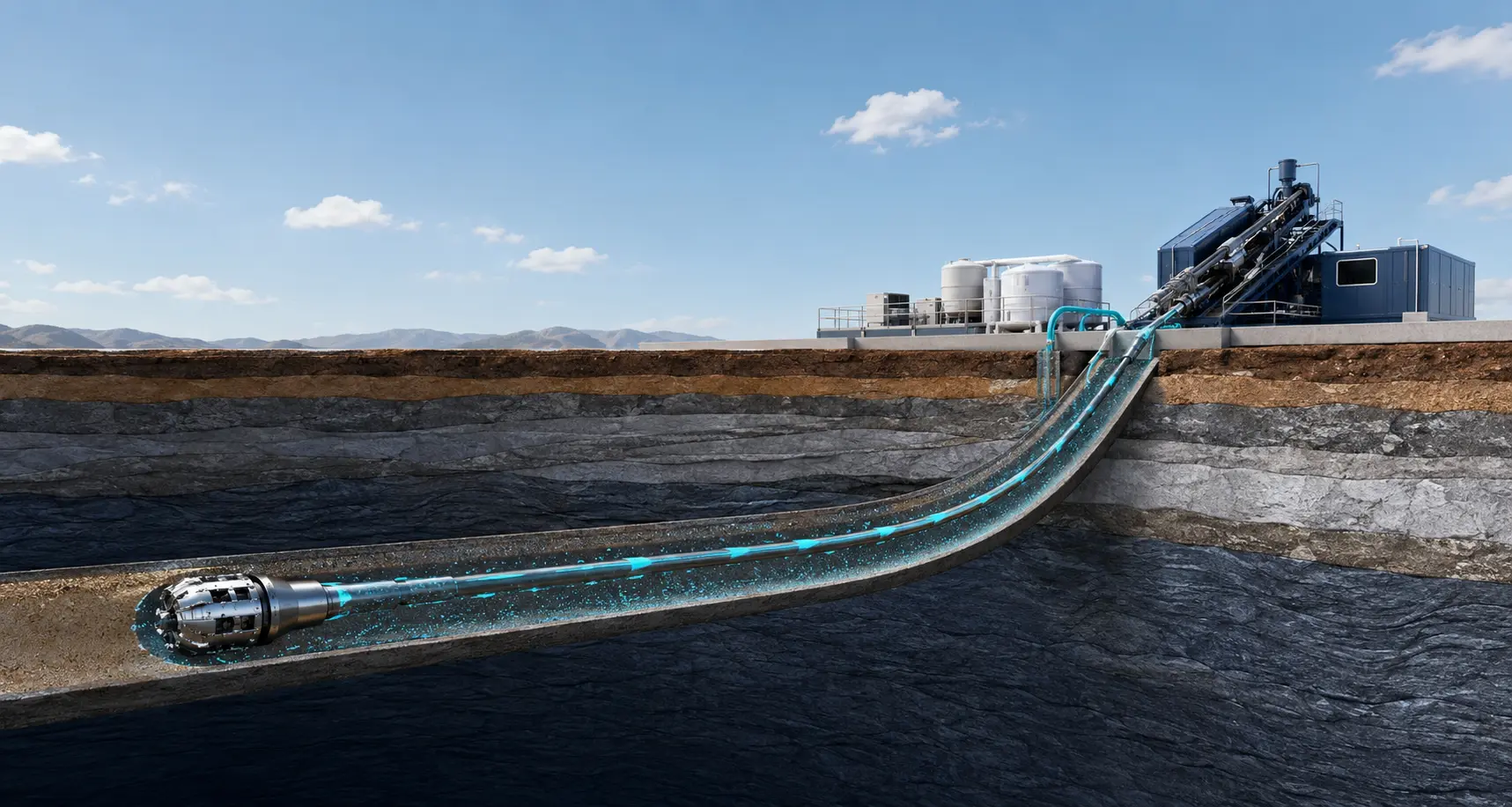
Water-well drilling needs a fluid that keeps the hole clean and stable without becoming unnecessarily difficult to pump or remove. The right bentonite grade depends on geology, water quality and circulation system.
What Should You Evaluate?
- Unconsolidated sand versus cohesive formations.
- Hole diameter, depth and expected circulation rate.
- Water hardness and salinity.
- Need for filtration control and temporary wall support.
- Pump capacity and the planned well-development/cleanup method.
Practical Approach
Start with a balanced drilling grade such as Regular under routine freshwater conditions. If hole cleaning or suspension becomes limiting, evaluate PLUS or Hi-Vis under representative water and dosage. Avoid solving every problem by simply increasing concentration; excessive solids can make cleanup and well development harder.
Common Mistakes
- Ignoring make-up water quality.
- Using more bentonite than the circulation system can handle.
- Allowing drilled solids to dominate the mud properties.
- Treating a filtration problem as only a viscosity problem.
Selection / Diagnostic Logic
Choose the lowest dosage and grade that maintains hole stability, cuttings transport and acceptable filtration while remaining practical for circulation and subsequent well development.