High-viscosity bentonite is useful when the job genuinely needs stronger suspension or rheological structure. It is not automatically a better choice for every drilling system.
What Should You Evaluate?
- Cuttings size, density and required suspension time.
- Hole diameter, annular velocity and pump limitations.
- Filtration and bore-support requirements.
- Water quality and actual hydrated response at equal dosage.
- Cost per treated cubic metre, not only price per tonne.
Practical Approach
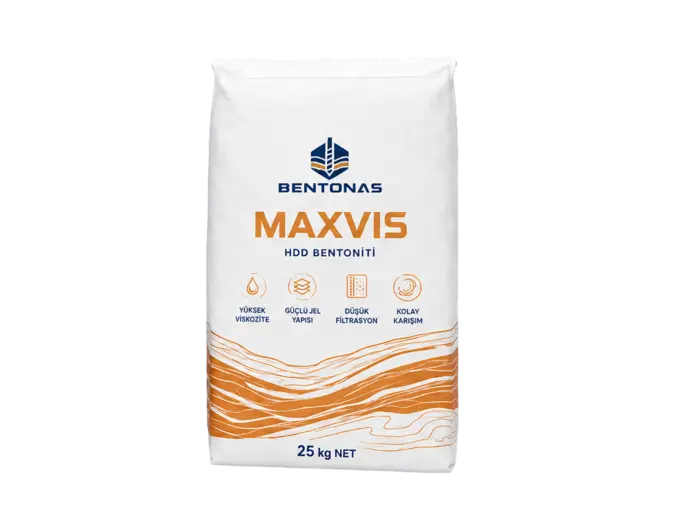
Compare products at controlled water quality and normalized dosage. Measure rheology and filtration after consistent hydration. Regular is a balanced standard grade; PLUS adds operating flexibility; Hi-Vis targets stronger rheological performance; MaxVis HDD is tailored to demanding HDD service. Do not label a grade “high-yield” unless yield has actually been demonstrated by a defined test.
Common Mistakes
- Assuming a higher Marsh-funnel time always means better hole cleaning.
- Comparing products at different concentrations.
- Ignoring pressure loss and pumpability.
- Choosing the strongest product without checking whether standard bentonite already meets the target.
Selection / Diagnostic Logic
Use the lowest rheological strength that safely meets suspension, filtration and stability requirements. Step up only when the application data show a real performance gap.