
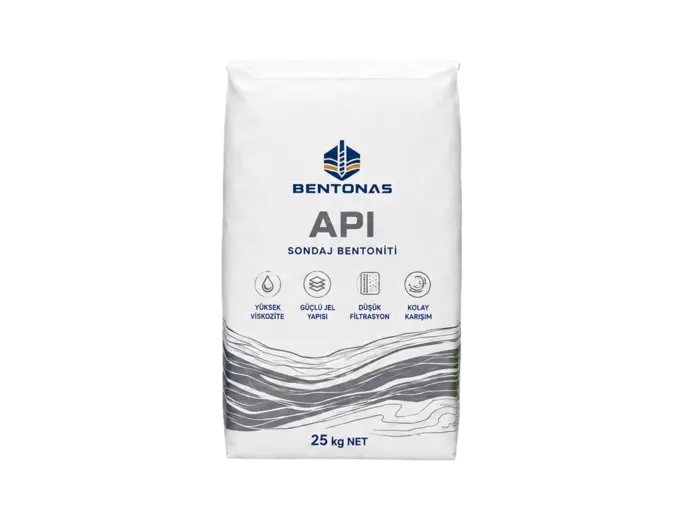
There is no universal bentonite dosage that is correct for every drilling job. Laboratory concentration, field treatment rate and product yield are related but different concepts.
What Should You Evaluate?
- Make-up water quality and the hydrated response of the chosen grade.
- Formation and bore geometry.
- Required rheology, suspension and filtration.
- Existing drilled-solids concentration.
- Pumpability and pressure limits.
Practical Approach
Use laboratory concentration as a controlled comparison tool, not as a direct field prescription. Start from the application and target properties, then test the selected product in representative water. Adjust dosage until the required operating window is reached without unnecessary solids or pumping resistance. The Bentonas dosage converter can translate units, but it does not recommend a treatment rate.
Common Mistakes
- Converting 22.5 g/350 mL directly into a universal field dosage.
- Comparing two bentonites at different hydration conditions.
- Adding product to compensate for untreated hard water.
- Judging dosage only by Marsh-funnel time.
Selection / Diagnostic Logic
Test water → select grade → establish a starting concentration → measure rheology/filtration → adjust in controlled steps → confirm pumpability and field response.