
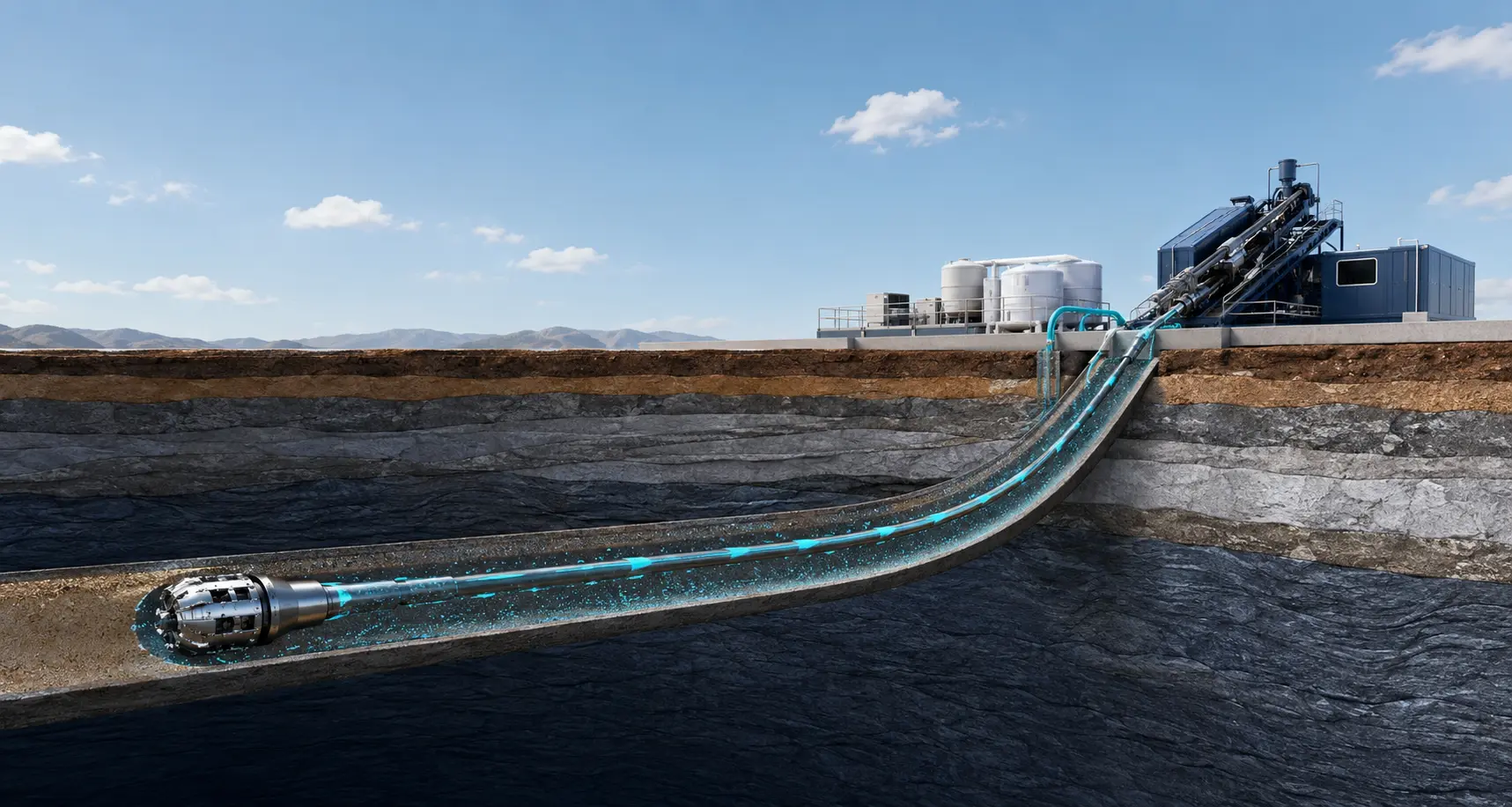
Reactive clay can raise viscosity, create sticky cuttings and increase torque, but these symptoms can also be caused by solids accumulation. Correct diagnosis matters before increasing product dosage.
What Should You Evaluate?
- Whether the clay is swelling, dispersing, or simply accumulating as drilled solids.
- Make-up water hardness, salinity and pH.
- Cuttings appearance: firm, dispersed, sticky or smeared.
- Torque and pressure trend as solids concentration rises.
- Whether the current rheology is helping transport or trapping more solids in the system.
Practical Approach
Condition the water first when required. Build the base fluid under controlled conditions, then monitor how the drilled clay changes rheology and returns. Maintain enough carrying capacity without allowing the system to become unnecessarily thick. Where inhibition or encapsulation is needed, treat that as a clay-interaction problem rather than simply a “low viscosity” problem.
Common Mistakes
- Adding more viscosifier to a fluid that is already overloaded with dispersed clay.
- Confusing pH correction with complete hardness control.
- Ignoring solids removal and relying only on chemistry.
- Changing inhibition, viscosity and flow rate at the same time.
Selection / Diagnostic Logic
Separate water-quality effects from formation-clay effects and from solids-management effects. This sequence prevents a rising-viscosity problem from being treated with even more viscosity.